
Beginner Guide to Forex Trading
```Forex Trading for Beginners: Learn Before You Trade Real Money
Forex trading gives people access to global currency markets, but it also involves real risk, especially when leverage is used. If you are new to Forex, the best first step is not to rush into live trading, but to learn the basics and practice with a demo account first.
This guide explains what Forex trading is, how CFDs work, why people trade Forex, how to read basic charts, and how beginners can start learning in a safer and more structured way.
Start with a Free Demo Account
A demo account uses virtual funds and does not involve real money. It is useful for learning the platform, practicing order placement, and understanding risk before considering live trading.
```Important Risk Warning
```Forex and CFD trading involve high risk. Leverage can increase both potential gains and potential losses. You can lose the capital used for trading, and trading may not be suitable for all investors.
This content is for educational purposes only. It is not financial advice, investment advice, a trading signal, or a recommendation to buy or sell Forex, CFDs, commodities, indices, stocks, or any financial product.
If you are a beginner, consider starting with a demo account first. Learn how spreads, leverage, margin, stop loss, take profit, and position size work before using real money.
```Why Beginners Should Start with a Demo Account
```- Practice Forex trading without using real money.
- Learn how currency pairs such as EUR/USD, USD/JPY, and GBP/USD move.
- Understand important terms such as pip, lot, spread, leverage, margin, stop loss, and take profit.
- Try trading platforms such as MetaTrader 4 or MetaTrader 5.
- Test ideas and strategies before considering live trading.
How to Start Learning Forex Trading
```- Open a free demo account.
- Use a trading platform such as MT4 or MT5.
- Choose a major currency pair such as EUR/USD or USD/JPY.
- Practice opening and closing orders with virtual funds.
- Learn how to use stop loss, take profit, and proper position sizing.
- Build a risk management plan before considering live trading.
Opening a demo account does not mean you should trade real money immediately. Take time to learn the platform, understand the risks, and build discipline first.
```Introduction
The world of Forex trading can be interesting for people who want to learn about global financial markets. Forex is connected to currencies, interest rates, international trade, central banks, economic news, and global market sentiment.
However, Forex trading is not as simple as it may look. There are many important terms such as pip, lot, spread, leverage, margin, EUR/USD, USD/JPY, XAU/USD, indices, and commodities. Beginners should understand these concepts before using real money.
This article will help you understand the basics of Forex trading step by step. You will learn what Forex is, how CFD trading works, why people trade Forex, how to get started, and why risk management is important.
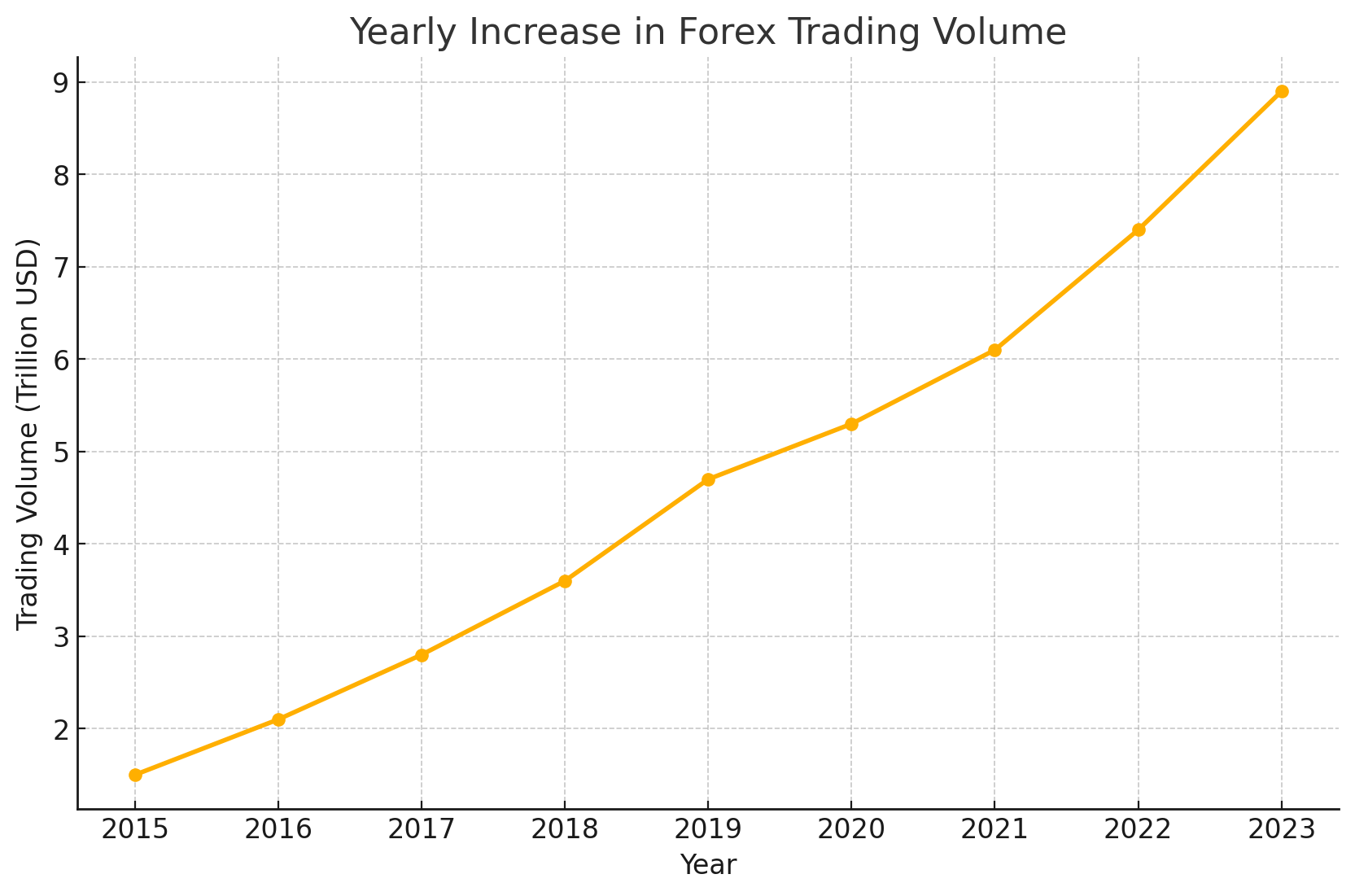
What is Forex or FX Trading?
Forex, also called FX, stands for Foreign Exchange. It refers to the buying and selling of currencies. In simple terms, Forex trading involves exchanging one currency for another and trying to benefit from changes in exchange rates.
For example, if someone imports goods from Japan, they may need Japanese Yen to pay for those goods. The exchange rate between the Japanese Yen and another currency changes over time. Forex traders try to analyze these changes and make trading decisions based on price movement.
In the past, foreign exchange was mainly used by banks, businesses, governments, and large institutions. Today, online trading platforms have made currency trading more accessible to retail traders. However, retail traders should understand that online Forex trading often involves CFD products rather than direct ownership of actual currencies.
CFDs in Forex Trading
When people talk about online Forex trading, they are often trading CFDs, or Contracts for Difference, instead of exchanging physical currencies directly.
How CFDs Work:
- You enter a contract with a CFD broker based on the price movement of an asset.
- You do not own the underlying asset.
- If the price moves in your favor, the trade may generate a profit.
- If the price moves against you, the trade may result in a loss.
- CFDs can be used for Forex pairs, gold, commodities, indices, and some stocks, depending on the broker.
Simple Example:
Suppose you expect EUR/USD to rise. You open a buy position. If the price rises and you close the trade at a higher price, the trade may be profitable. If the price falls, the trade may result in a loss.
Although many people use the word Forex broadly, it is important to understand whether you are trading actual currencies or CFD products. Always read your broker’s product details, fees, and risk disclosures.
Why Do People Trade Forex?
- Access to global markets: Forex connects traders to currency pairs from many countries.
- Buy and sell opportunities: Traders can open buy positions when they expect prices to rise or sell positions when they expect prices to fall.
- Leverage: Leverage allows traders to control larger positions with smaller capital, but it also increases risk.
- Multiple markets in one platform: Some brokers provide access to currencies, gold, commodities, indices, and other CFD products.
- 24/5 market access: Forex markets are generally available 24 hours a day, five days a week.
- No ownership of underlying assets: CFD traders speculate on price movements without owning the actual asset.
New to Forex Trading?
```Start with a demo account first. A demo account lets you practice with virtual funds, learn the trading platform, test orders, and understand the risks before using real money.
Start Forex Practice with a Demo Account
This link may direct you to a third-party broker website. Please read all terms, fees, and risk disclosures before opening any live trading account.
```Steps to Start Forex Trading
- Learn the basics first: Understand what Forex is, what CFD trading means, and how currency pairs move.
- Open a demo account: Practice with virtual funds before using real money.
- Learn the platform: Get familiar with MetaTrader 4, MetaTrader 5, or other trading platforms.
- Understand common terms: Learn pip, lot, spread, leverage, margin, stop loss, and take profit. You can read our glossary here: Forex and MetaTrader Terminology.
- Choose a broker carefully: Check regulation, fees, spreads, deposits, withdrawals, and customer support. You can read more here: How to Choose a Forex Broker.
- Plan risk management: Decide how much you are willing to risk per trade. Learn more here: Risk Management for Forex Trading.
- Develop a trading strategy: Decide whether you will use technical analysis, fundamental analysis, or a combination of both.
- Follow market news: Economic data, central bank decisions, and geopolitical events can affect currency prices.
Forex Trading Charts
Charts are important tools for traders because they show price movement over time. Beginners should learn the basic chart types before making trading decisions.
- Line Chart: The simplest chart type. It connects closing prices over time and helps identify the general direction of the market.
- Bar Chart: Shows open, high, low, and close prices for a selected time period. It provides more detail than a line chart.
- Candlestick Chart: One of the most popular chart types. It shows open, high, low, and close prices in a visual format that is easy to read.
Charts can help traders understand trends, support and resistance, volatility, and possible price patterns. However, charts cannot predict the future with certainty, so they should be used together with risk management.
Basic Risk Management for Beginners
Risk management is one of the most important parts of Forex trading. A beginner should not focus only on making profits. The first goal should be learning how to protect the trading account.
- Use a stop loss to limit potential losses.
- Avoid using excessive leverage.
- Do not risk too much capital on one trade.
- Keep a trading journal to review your decisions.
- Avoid emotional trading after a loss.
- Practice on a demo account before live trading.
Common Mistakes Beginners Should Avoid
- Starting live trading without practicing on a demo account.
- Using high leverage without understanding the risk.
- Trading without a stop loss.
- Increasing lot size after losses because of emotion.
- Following random signals without understanding the reason.
- Ignoring fees, spreads, and overnight costs.
Ready to Practice Forex Trading?
```If you are new to Forex trading, the best first step is to practice with a demo account. You can use virtual funds to learn currency pairs, order types, charts, and risk management before considering live trading.
Start with a Free Demo Account
Live Forex and CFD trading involves risk. Do not trade with money you cannot afford to lose.
```Conclusion
Forex trading can be an interesting way to learn about global financial markets, currencies, commodities, and economic events. However, Forex and CFD trading involve real risk, especially when leverage is used. Beginners should start by learning the basics, practicing with a demo account, and building a risk management plan before considering live trading.
This article is for educational purposes only. It does not provide financial advice, investment advice, trading signals, or a recommendation to buy or sell Forex, CFDs, commodities, indices, stocks, or any financial product. Trading involves risk and may result in loss of capital. Please read all broker terms, fees, and risk disclosures before opening any live trading account.